
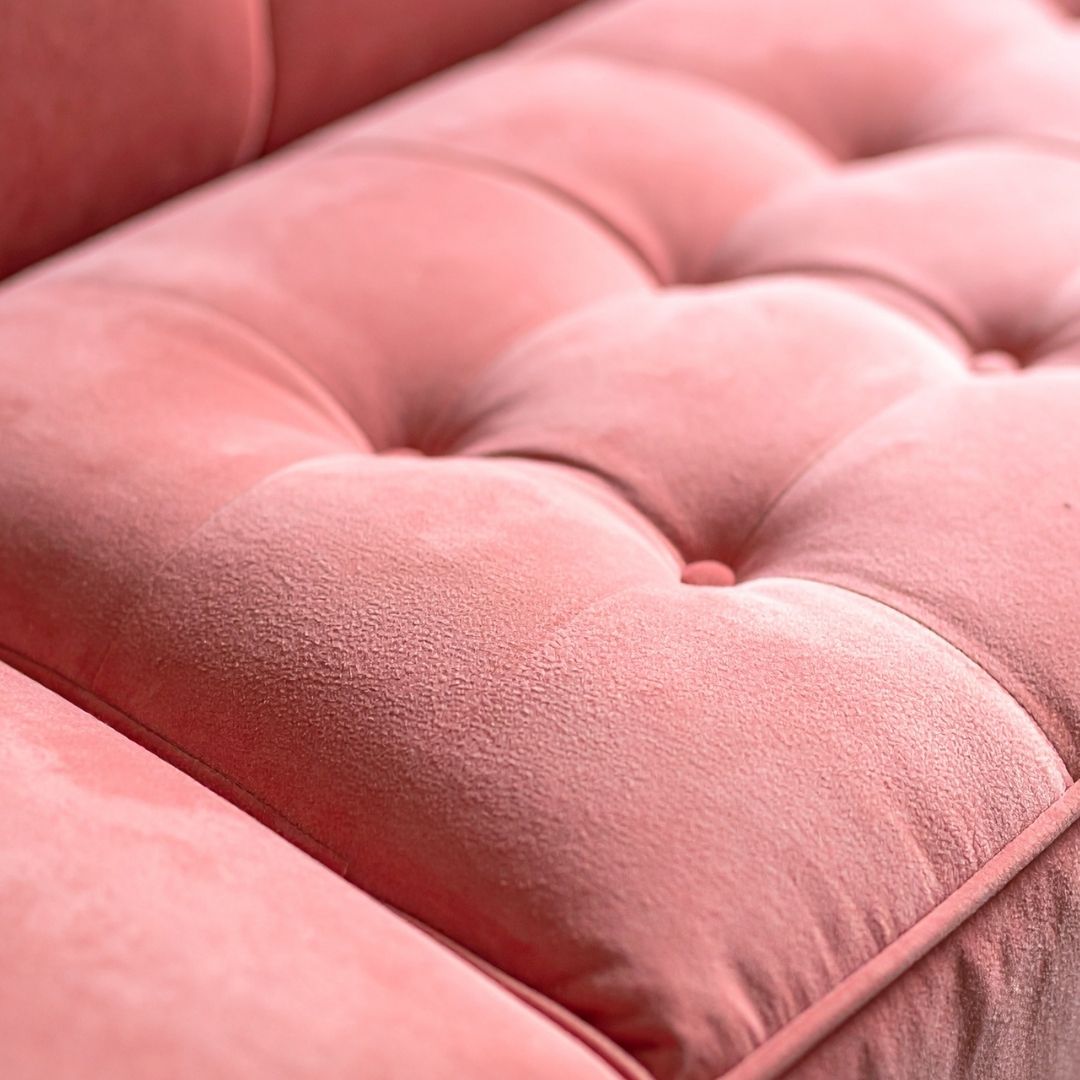
This is for Sydney homeowners with a velvet sofa or armchair who want to keep that deep, even sheen, and not end up with crushed patches and watermarks. Velvet is a beautiful fabric and a genuinely unforgiving one. Most of the velvet damage we see isn’t from wear; it’s from a well-meant clean that went wrong in about thirty seconds.
Short answer: Vacuum velvet gently in the direction of the pile, blot spills without rubbing, and keep it as dry as possible. The three mistakes that wreck velvet are rubbing (which crushes the pile), over-wetting (which leaves rings), and letting it dry without grooming the pile back into place. Most velvet is water-sensitive, so set-in stains belong with a professional.
Here’s how to clean velvet properly, and the three mistakes to avoid at all costs.
Why Velvet Is So Easy to Mark
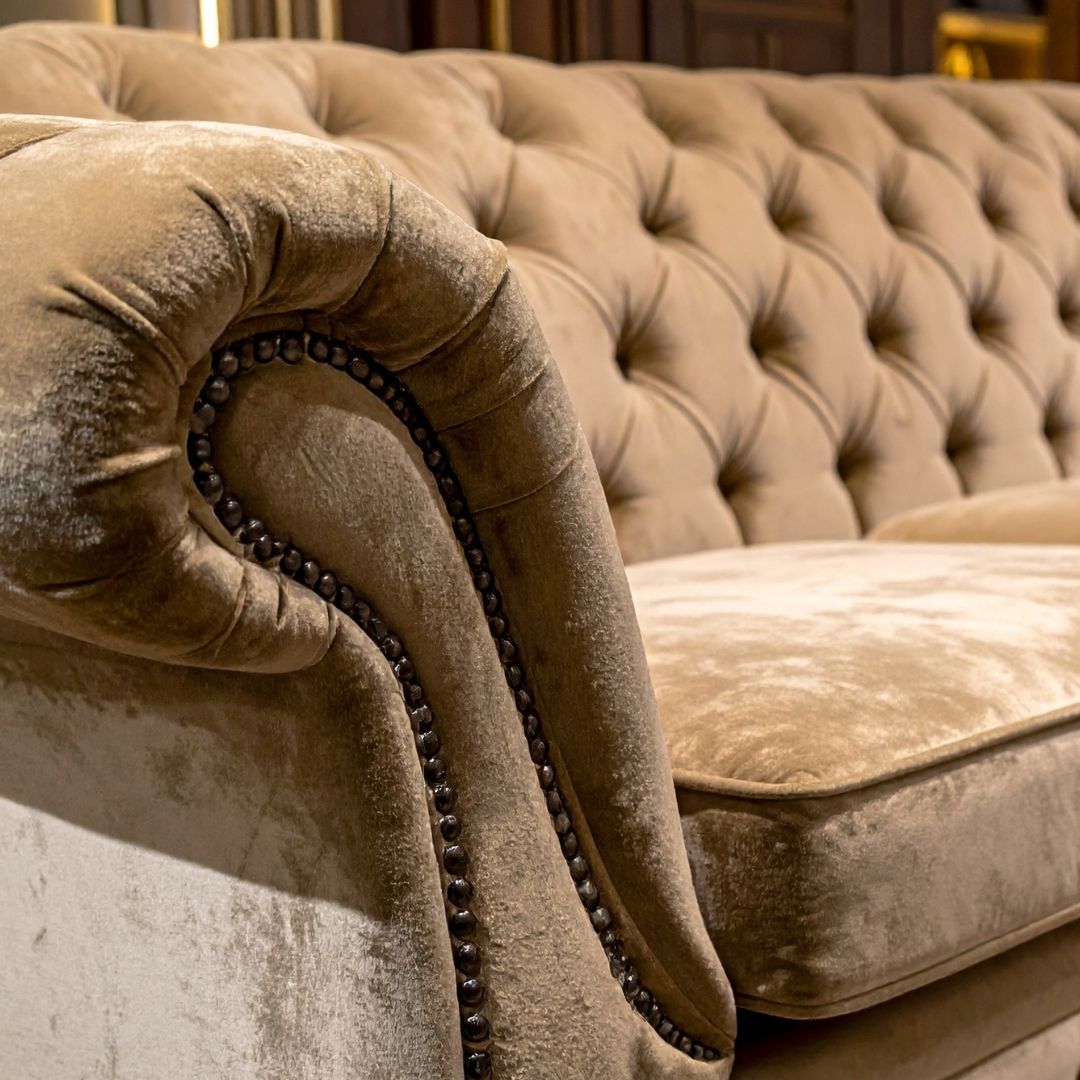
Short answer: Velvet is a pile fabric, thousands of tiny upright fibres, and anything that flattens or wets those fibres shows instantly.
Velvet’s look comes from a dense pile of short fibres standing up off the backing. Light reflects off them evenly, which is what gives velvet its rich sheen. The moment that pile gets crushed in one direction, it reflects light differently and you see a mark, even with no stain there at all. Add water and the problem compounds: many velvets are coded S (solvent only), so water can leave a ring as it dries. A lot of velvet is also a viscose blend, which is one of the most water-sensitive fabrics there is.
The 3 Mistakes That Crush the Pile
Short answer: Rubbing, over-wetting, and drying without grooming are the three that do permanent damage.
Mistake 1, Rubbing or scrubbing the stain. This is the big one. Scrubbing flattens the pile in a patch and changes how it catches the light, so even once the stain is gone you’re left with a dull, crushed mark. Always blot, never rub.
Mistake 2, Over-wetting the fabric. Soaking velvet to flush a stain pushes water into the backing and leaves a ring as it dries. On an S-coded or viscose velvet, plain water alone can mark it. Less liquid is always safer.
Mistake 3, Letting it dry without grooming the pile. If velvet dries with the pile pushed in different directions, it dries that way, patchy and uneven. After any cleaning, the pile needs to be gently brushed back into one direction while it’s still damp.
How to Clean Velvet Safely at Home
Short answer: Vacuum with a soft brush in the pile direction, blot spills immediately, and groom the pile after any damp cleaning.
Step 1 Check the care tag first. Most velvet is S or W-S, if it’s S or X, keep water off it. Our guide to what the W, S, W-S and X tag means covers this.
Step 2 Vacuum gently with a soft brush attachment, moving in the direction the pile naturally lies. No beater bar.
Step 3 Blot spills the instant they happen with a clean, dry cloth. Press and lift, never wipe across the pile.
Step 4 If the code allows a cleaner, use the smallest amount on a hidden test spot first, then gently brush the pile back into direction and let it dry. If the mark remains, stop and call a professional.
When to Call a Professional
Short answer: Any water ring, crushed patch, set-in stain or all-over clean on velvet is a professional job.
Velvet restoration is one of the fine-fabric jobs we’ve handled since 1983. We use a low-moisture method that won’t saturate the pile, control the drying, and groom the pile so it dries evenly with its sheen intact, which is exactly what a crushed or watermarked velvet needs. It’s the same care we give showroom velvet for retailers like Freedom, Lounges Plus and Strictly Comfort, where a marked display piece isn’t an option. You’ll find the service on our furniture cleaning page, and our fabric protection (from $44 per seat) makes a new velvet far more forgiving of spills.
Our Biggest Tip
Protect the fabric!
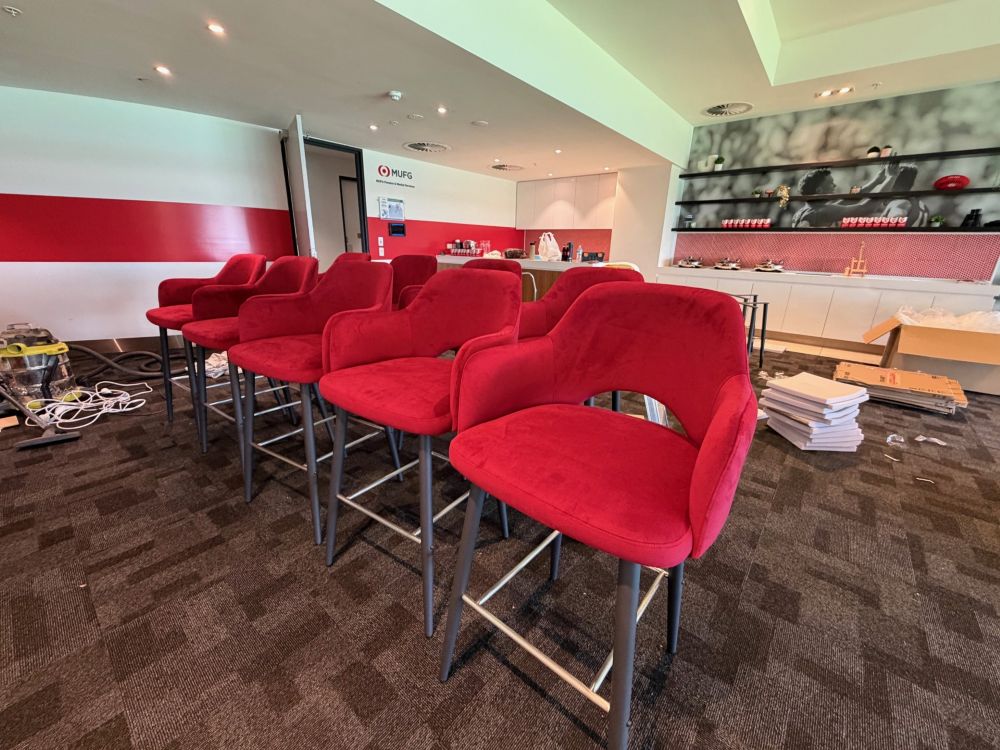
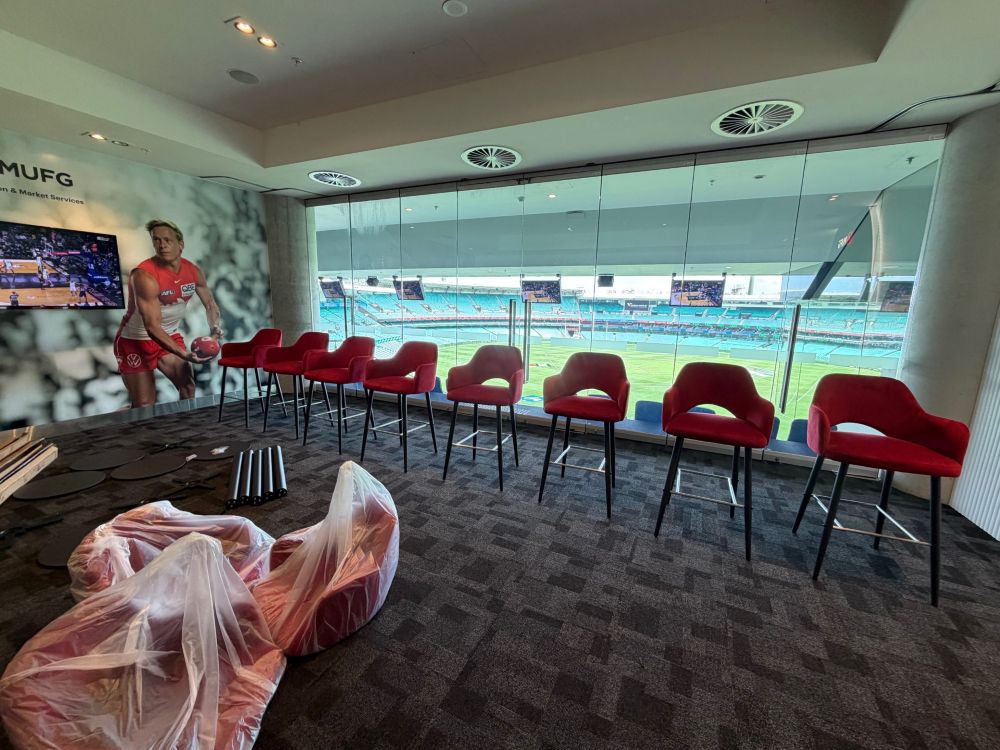
We recently completed fabric protection at the SCG for a corporate room and all the furniture was red velvet. The fabric will be protected from stains for the entire season and stop UV fading as the couches are in front of large windows. It is the best investment you can make for your furniture.

Frequently Asked Questions
How do you clean a velvet sofa without ruining the pile?
Vacuum gently with a soft brush in the direction of the pile, blot spills immediately without rubbing, and keep the fabric as dry as possible. After any damp cleaning, brush the pile back into one direction while it’s still damp so it dries evenly. Check the care tag first, most velvet is S or W-S and water-sensitive, so set-in stains are best left to a professional.
Can you get water rings out of velvet?
Sometimes, but it needs the right method. Water rings happen when velvet is over-wetted and dries unevenly, common on S-coded and viscose velvets. A professional low-moisture re-clean and controlled drying can often even out the mark, but it’s not guaranteed once it’s set. The safest approach is to avoid over-wetting velvet in the first place.
Why does my velvet couch look patchy or shiny in spots?
Patchy or shiny areas on velvet are crushed pile, the fibres have been flattened in one direction, usually by rubbing, scrubbing or sitting. Because velvet reflects light off the pile, any change in direction shows as a mark even without a stain. A professional can often groom and lift the pile, but avoiding rubbing is the best prevention.
Is it safe to steam clean velvet?
Usually not. Most velvet is coded S or is a viscose blend, both of which are highly sensitive to moisture, so steam or wet cleaning risks water rings and pile damage. A professional low-moisture method is far safer. Always check the fabric code, and if it’s S or X, keep water off it entirely. Call us on 1300 360 824 if you’re unsure about yours.
The Last Word
Velvet rewards a gentle hand and punishes a heavy one. Blot don’t rub, keep it dry, and groom the pile back into place, get those right and velvet lasts for years. If you’ve got a ring or a crushed patch you’re worried about, call us on 1300 360 824 before you try to fix it yourself.
Our Services
Get A Free Quote
Contact us today for a free, no-obligation quote on your fabric and leather protection needs.