
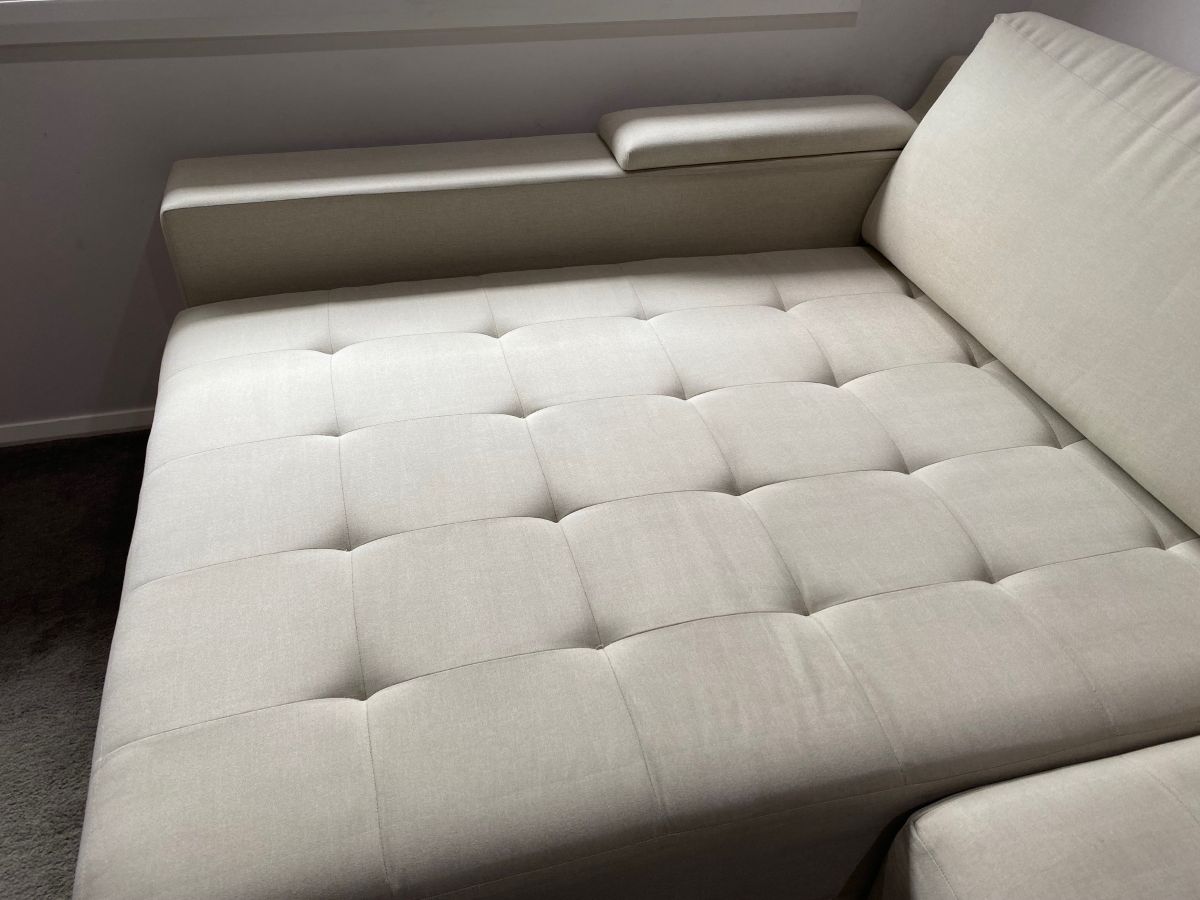
This is for Sydney homeowners who’ve noticed one end of the lounge looking lighter than the other, or a faded stripe across the cushions where the afternoon sun lands. It’s one of the most common things people ask us about once they spot it, usually when they move a cushion and see the original colour underneath. The hard truth is that faded fabric can’t be re-coloured, so the only real answer is slowing the fading before it happens.
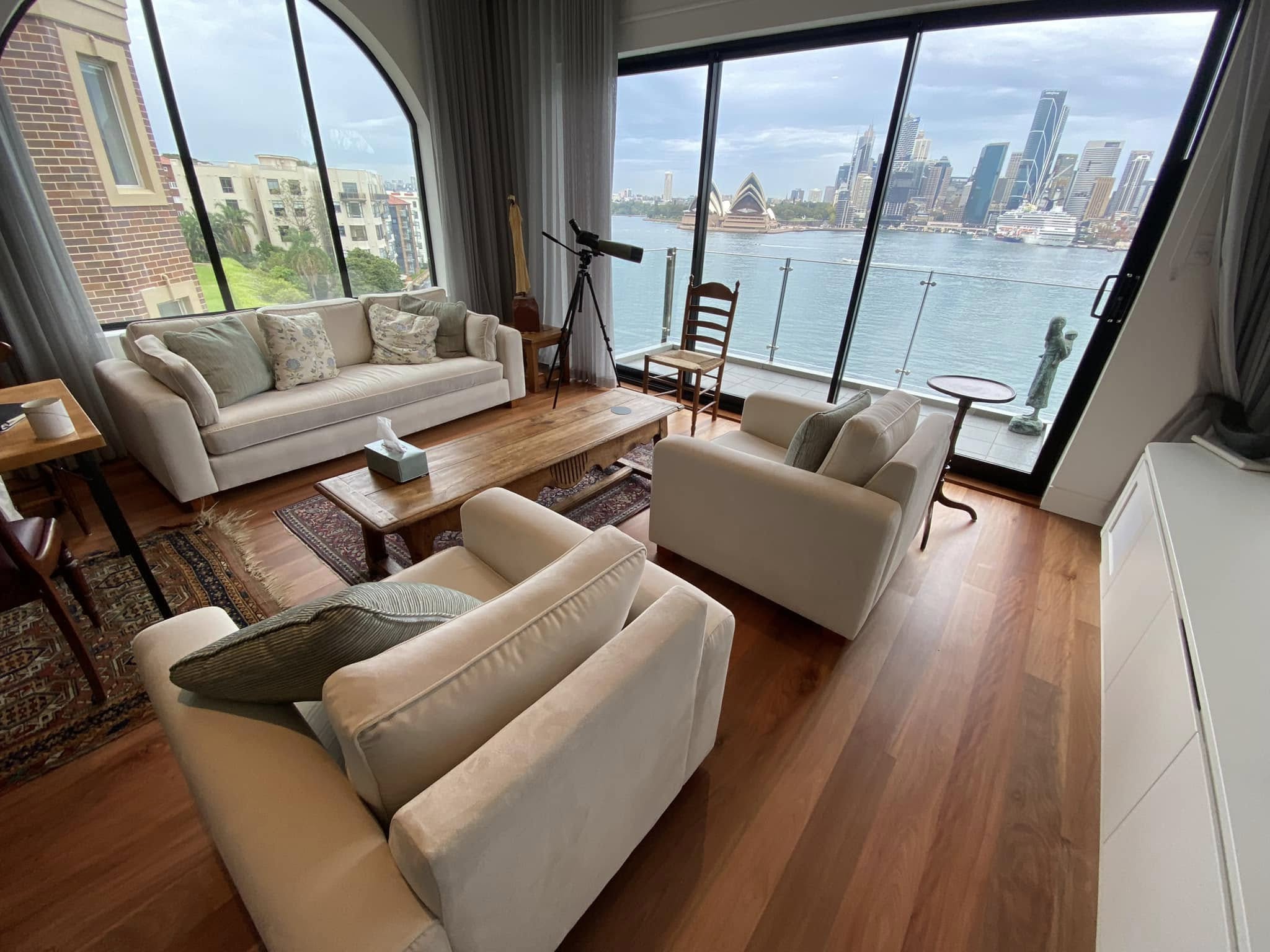
Short answer: Sunlight breaks down the dye and the fibres in upholstery, and in Sydney’s strong UV that can happen in a couple of years on a sunny aspect. You can slow it with smart positioning, window furnishings and a professional UV-inhibiting fabric protection treatment. Once a fabric has faded, the colour is gone for good, prevention is the only fix.
Here’s why it happens, what you can do about it, and where professional protection fits in.
Why Fabric Fades in the Sydney Sun
Short answer: UV light breaks the chemical bonds in fabric dyes and weakens the fibres themselves, and Sydney gets a lot of it.
Fading isn’t really about heat, it’s about ultraviolet light. UV energy breaks down the dye molecules in the fabric, which is why colours go pale and patchy, and over time it also weakens the fibres so the fabric thins and frays where the sun hits hardest. Australia has some of the highest UV levels in the world, and a north or west-facing living room in Sydney can cop hours of direct sun a day. Ordinary window glass blocks some UV but nowhere near all of it, so a lounge behind a sunny window is still exposed.
Which Fabrics Fade Fastest
Short answer: Natural fibres and bright or dark dyes fade faster than synthetics and neutrals.
Linen, cotton and silk fade more readily than polyester and other synthetics. Strong colours, deep blues, reds, blacks and rich neutrals, show fading sooner because there’s more dye to break down and the change is more obvious. Velvets and other pile fabrics can also look “faded” when the pile direction changes in sunlight, even before the dye has gone. If your lounge is a natural fibre in a bold colour sitting in a sunny room, it’s the highest-risk combination there is.
What You Can Do at Home
Short answer: Rotate the cushions, soften the light, and keep direct sun off the fabric where you can.
Rotate and flip cushions regularly. If the sun only hits one section, rotating the seat and back cushions evens out the exposure so you don’t end up with one bleached patch.
Use sheers, blinds or curtains in peak sun. Even light sheer curtains cut a meaningful amount of UV during the harshest part of the day. Closing blinds on the sunniest aspect when you’re out makes a real difference over a year.
Consider UV window film. A quality film on a sunny window blocks a large share of UV while still letting light in, worth it for a room with an expensive lounge or rug.
Move the lounge if you can. Even shifting it half a metre out of the direct sun line helps.
How Professional UV Fabric Protection Helps
Short answer: A professional fabric protection treatment adds UV inhibitors and a protective barrier that helps slow fading and guards against spills at the same time.
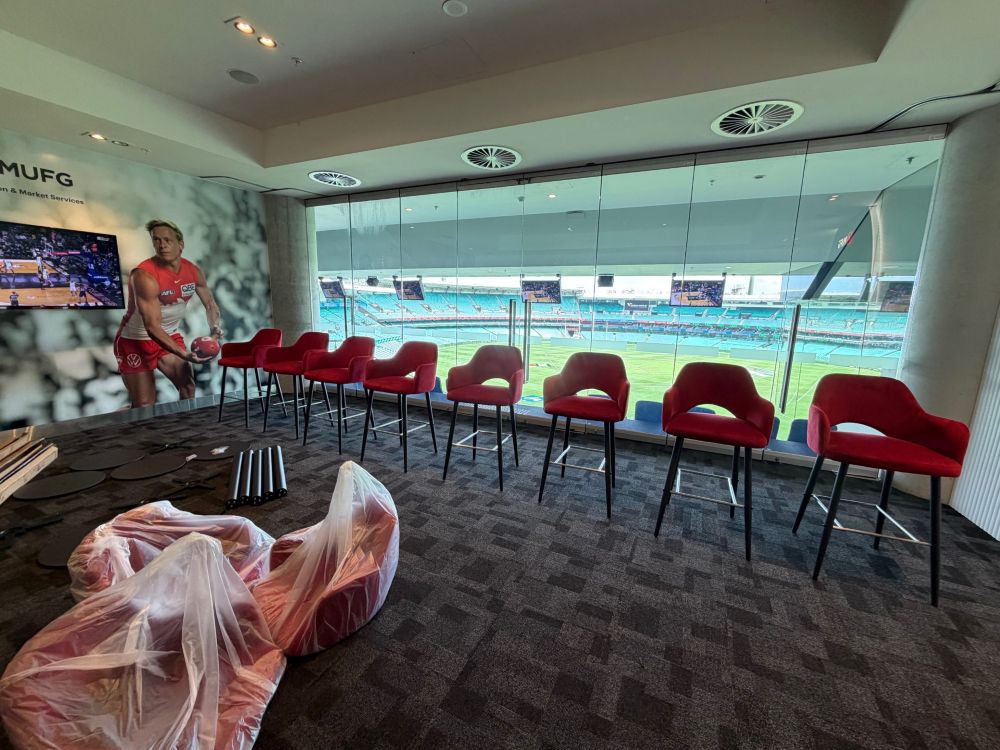
This is where we come in. A professional fabric protection treatment does two jobs: it adds a stain-resistant barrier, and it includes UV inhibitors that help slow the rate at which sunlight breaks down the dye. It won’t make a fabric sun-proof, nothing genuinely does, but on a sunny aspect it buys you time and keeps the colour looking truer for longer. We apply it evenly across the whole piece so you don’t get patchy protection, and it’s the same treatment we use on showroom floor stock for retailers like Freedom, Lounges Plus and Strictly Comfort, where fabrics sit under bright lights all day.
It’s a different thing to a can of supermarket spray, we explain the gap in our piece on Scotchguard vs professional fabric protection.
Our fabric protection starts from $44 per seat and is best applied when the fabric is new or freshly cleaned.
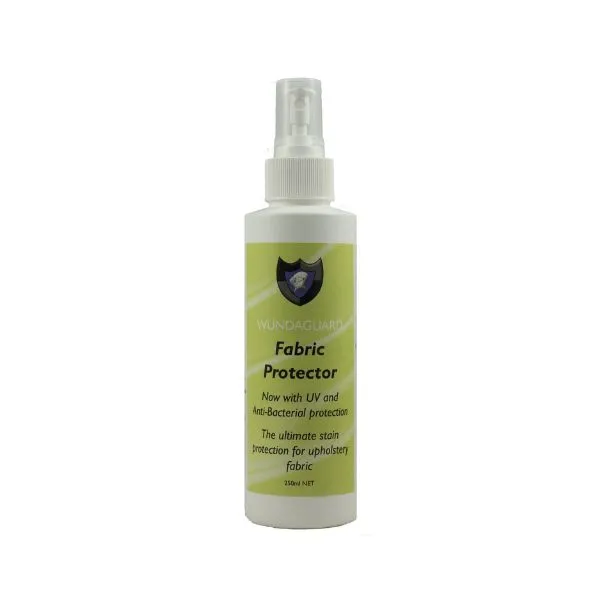
We also sell our stain protection formulation, so that you can continue to protect your upholstery – the link to purchase is here – Fabric Protection 250ml and Fabric Protection 1 Litre
If the Fading Has Already Started
Short answer: Faded fabric can’t be re-dyed back to its original colour, so protect what you have left and prevent it on the next piece.
We’re honest about this because it matters: once UV has broken down the dye, the colour is gone, there’s no cleaning or treatment that brings it back. If one section has faded, the best move is to even out the exposure (rotate cushions, block the sun) and protect the piece going forward so it doesn’t get worse. And when you buy your next lounge, treat it on day one. Prevention is cheap compared to replacing a faded three-seater.
Frequently Asked Questions
Can you prevent a lounge from fading in the sun?
You can slow it significantly, but you can’t make any fabric completely sun-proof. The most effective approach combines keeping direct sun off the fabric (sheers, blinds, UV window film, rotating cushions) with a professional fabric protection treatment that includes UV inhibitors. On a sunny Sydney aspect this can noticeably extend how long the colour stays true. Call us for advice on your specific fabric and room.
How long does it take for a couch to fade in Sydney?
It varies with the fabric, the colour and the aspect, but on a north or west-facing room with hours of direct sun, visible fading can show within two to three years, sometimes sooner on natural fibres in bold colours. Synthetics in neutral tones last longer. The fading is gradual, so it’s often only noticed when a cushion is moved and the original colour shows underneath.
Can faded upholstery be restored to its original colour?
No. Once UV light has broken down the dye, the colour cannot be cleaned or treated back. This is why prevention matters so much, protecting and positioning the lounge before fading sets in is the only real solution. If fading has already started, we can help you protect the piece going forward and avoid it on your next one.
Does fabric protection stop sun damage as well as stains?
A quality professional fabric protection treatment does both, it adds a stain-resistant barrier and includes UV inhibitors that help slow fading. It’s most effective applied to a new or freshly cleaned fabric, and across the whole piece for even coverage. Our fabric protection starts from $44 per seat. Call us on 1300 360 824 to talk through your lounge.
The Last Word
Sydney sun is hard on furniture, and faded fabric doesn’t come back. Keep the direct sun off it, even out the exposure, and protect the fabric early, that’s how you keep a lounge looking like the day it arrived. If you want to know the best way to protect yours, call us on 1300 360 824 for a straight answer.
What Others Are Reading:
Our Services
Get A Free Quote
Contact us today for a free, no-obligation quote on your fabric and leather protection needs.