
Wundaguard’s Guide to Why Water Leaves a Stain on a Fabric Couch, and When It Will Come Out
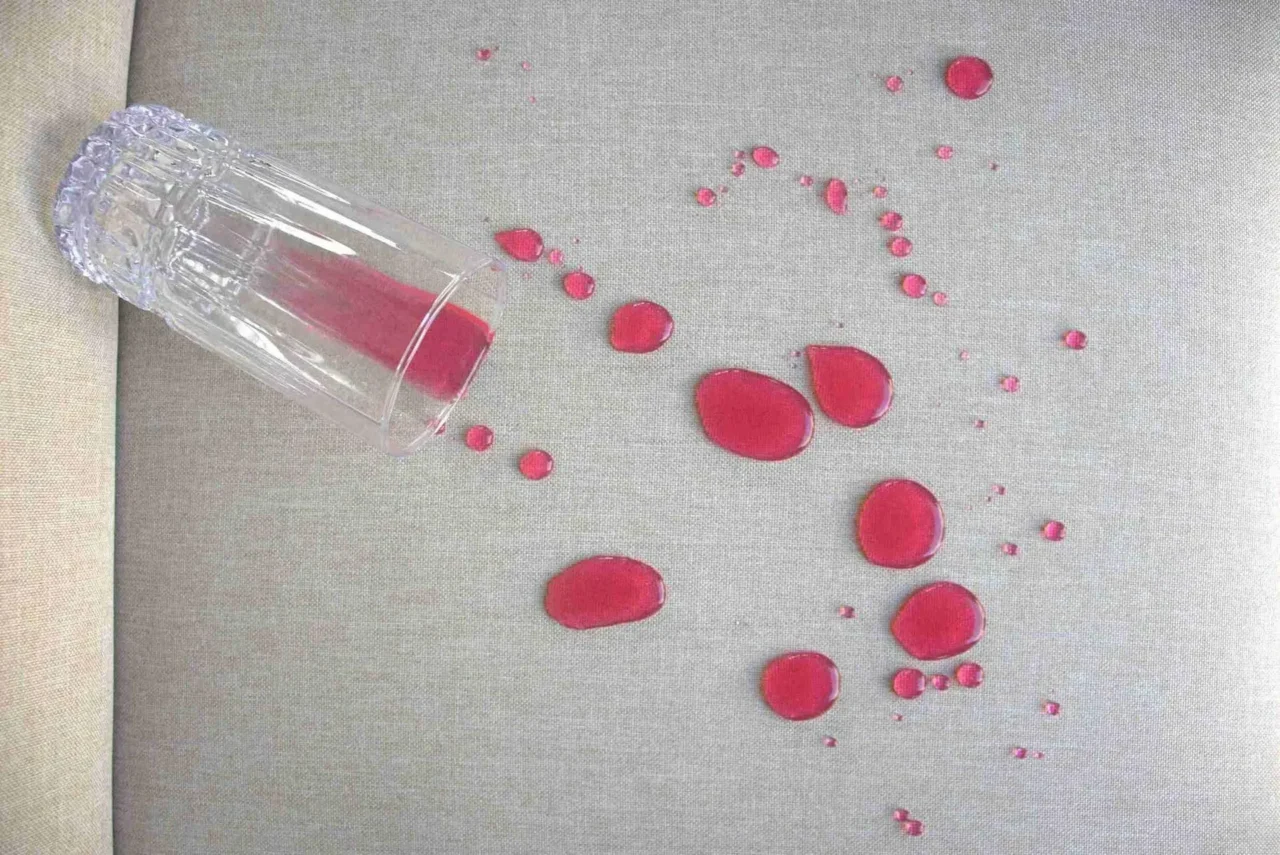
A glass of water tips over, a wet towel sits on the cushion, or someone wipes a small mark with a damp cloth. The water dries, and a few hours later there is a pale ring or a brown edge on the couch that was never there before. A water stain on a couch looks unfair, because the spill was only water.
This guide explains why water leaves a stain on a fabric couch, which water stains usually come out with the right clean, which ones may stay, and when it is time to book a professional sofa clean in Sydney.
Why Does Water Leave a Stain on a Fabric Couch?
Water leaves a stain because it moves things as it dries. When a patch of upholstery gets wet, the water picks up soil, old residue and sometimes loose dye from the fabric. As the patch dries from the outside in, the water carries all of that to the edge of the wet area and leaves it there. The result is a ring that marks the outline of the original spill.
The second cause sits underneath the fabric. A couch is fabric over foam, webbing and a frame, so water that soaks through goes deeper than you can see. As the foam dries, the moisture travels back up to the surface and brings dissolved soil with it. This is called wicking, and it is the reason a mark can appear days after the spill looked dry. We explain wicking in more detail in our post on professional couch cleaning compared with a hire machine.
Warwick Fabrics, the Australian upholstery fabric supplier, warns in its fabric cleaning guide that over-wetting during spot cleaning can lead to water marking and wetting of the substructure, which may create other stains. In other words, the water stain is often not the water itself. It is what the water moved, and how far it went into the couch.
What Kind of Water Stain Is on Your Couch?
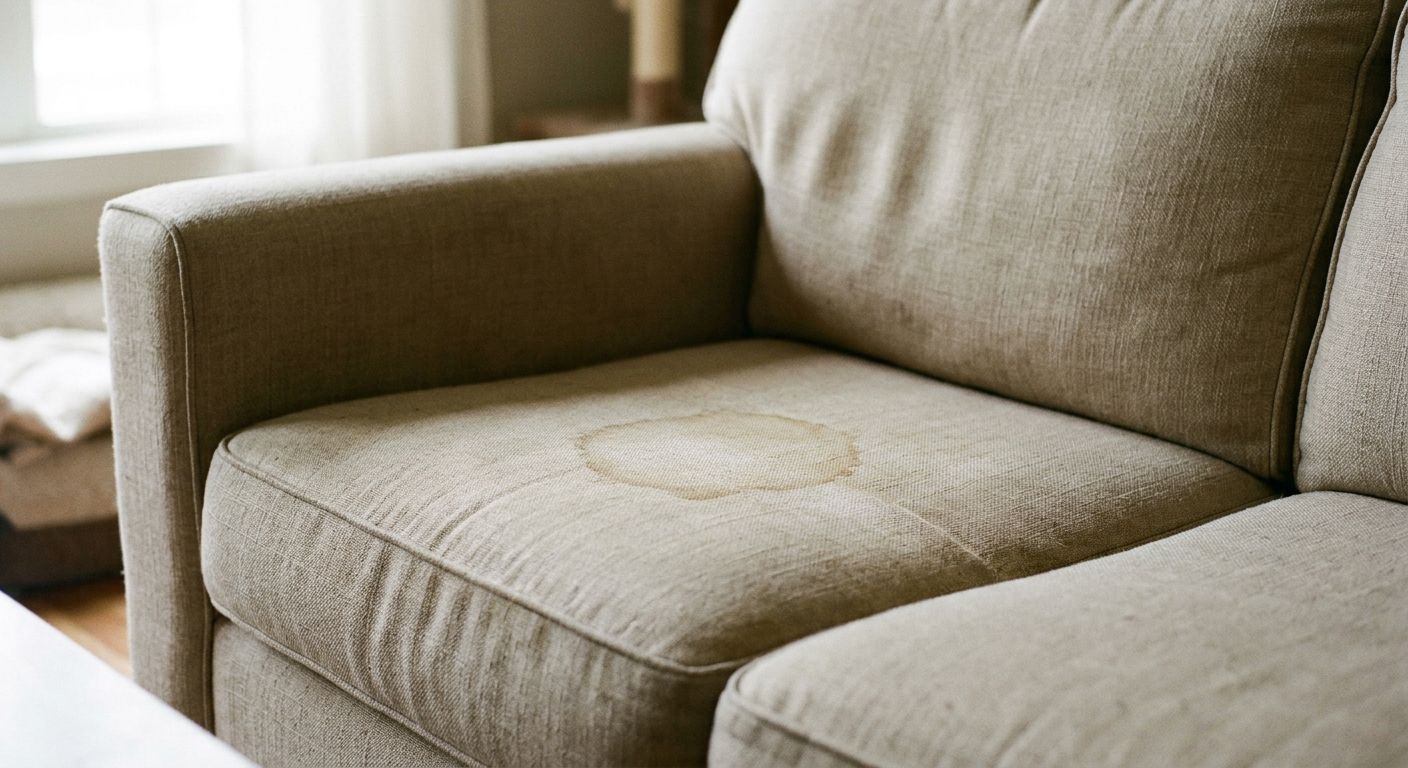
Not every water stain on a couch is the same mark. Looking closely at the colour and shape tells you a lot about what happened and how likely it is to come out.
- A light or dark ring with a clean centre: soil and residue were pushed to the edge of the wet patch as it dried.
- A brown edge or brown halo: the water has reacted with the fibre or pulled colour and residue along with it. Natural fibres and water-sensitive fabrics show this most.
- A mark that came back after cleaning: moisture went deep into the foam and wicked soil back up as it dried.
- A yellow or brown stain along the base of the couch: on a light coloured couch, a soaked frame can bleed timber tannins up into the fabric, which is very difficult to reverse.
- A dull or crushed patch on velvet: the pile has dried flattened or in different directions, so the light catches it differently.
Which Fabric Couches Get Water Stains Most Easily?
The fabric decides how a couch reacts to water. Many couches carry a cleaning code on a tag under the cushion or on the frame, and that letter tells you whether water is safe at all. W means water-based cleaners are safe, S means solvent only, W-S means either, and X means vacuum only. On an S or X fabric, plain water can leave a watermark that does not come out with more water. Our guide to what the W, S, W-S and X tag on your lounge means shows you where to find the code and what each letter allows.
The fabrics we see marking most often with water are velvets, linens, viscose blends and many of the designer fabrics on newer lounges. Viscose loses strength when wet and can distort. Linen can shrink and watermark. Velvet often contains viscose and is frequently coded S, so a damp cloth can leave a ring and crush the pile at the same time. If your couch is velvet, our post on how to clean a velvet sofa without crushing the pile covers that fabric in detail.
Will a Water Stain on a Couch Come Out?
Many water stains on a fabric couch can be removed or greatly improved, but not all of them. The outcome depends on three things: what the water carried, the fabric and its cleaning code, and what has already been tried on the mark.
The soil that formed the ring is still sitting in the fibre, and a clean that removes it evenly across the whole panel, then dries the fabric quickly, takes the outline away with it.
Some marks are harder. When water has moved dye in the fabric, when timber tannins have bled through from the frame, or when the fibre itself has been damaged, the stain may be permanent. Repeated home attempts also reduce the chances, because each round of rubbing and re-wetting spreads the ring wider and pushes residue deeper. On velvet, a professional low-moisture re-clean and controlled drying can often even out a water ring, but a ring that has set is not guaranteed to come out. Before the sofa clean begins, the technician inspects the fabric and the mark, then explains what result to expect.
What to Do When Water Lands on Your Fabric Couch
The first few minutes decide whether a spill dries cleanly or leaves a water stain. The aim is to take water out of the couch, not to clean it.
- Blot straight away with a clean, dry, white cloth or towel. Press, lift and move to a dry part of the cloth.
- Do not rub. Rubbing pushes water into the weave and spreads the edge of the wet patch.
- Check the cleaning code before you put anything else on the fabric.
- Do not take the cushion covers off to wash them, even if they have zips. Warwick Fabrics’ care labels advise against removing covers for separate cleaning or washing.
- Let the patch dry in the shade, away from direct heat.
If a ring has already formed, stop there. Adding more water to a dried water stain on a couch usually makes a bigger ring, and on an S or X fabric it can make the mark permanent. Warwick Fabrics also notes that it is generally preferable to clean whole panels of fabric rather than spot clean small areas, which is hard to do evenly at home without over-wetting.
Why Home Attempts Often Make a Water Stain on a Couch Worse
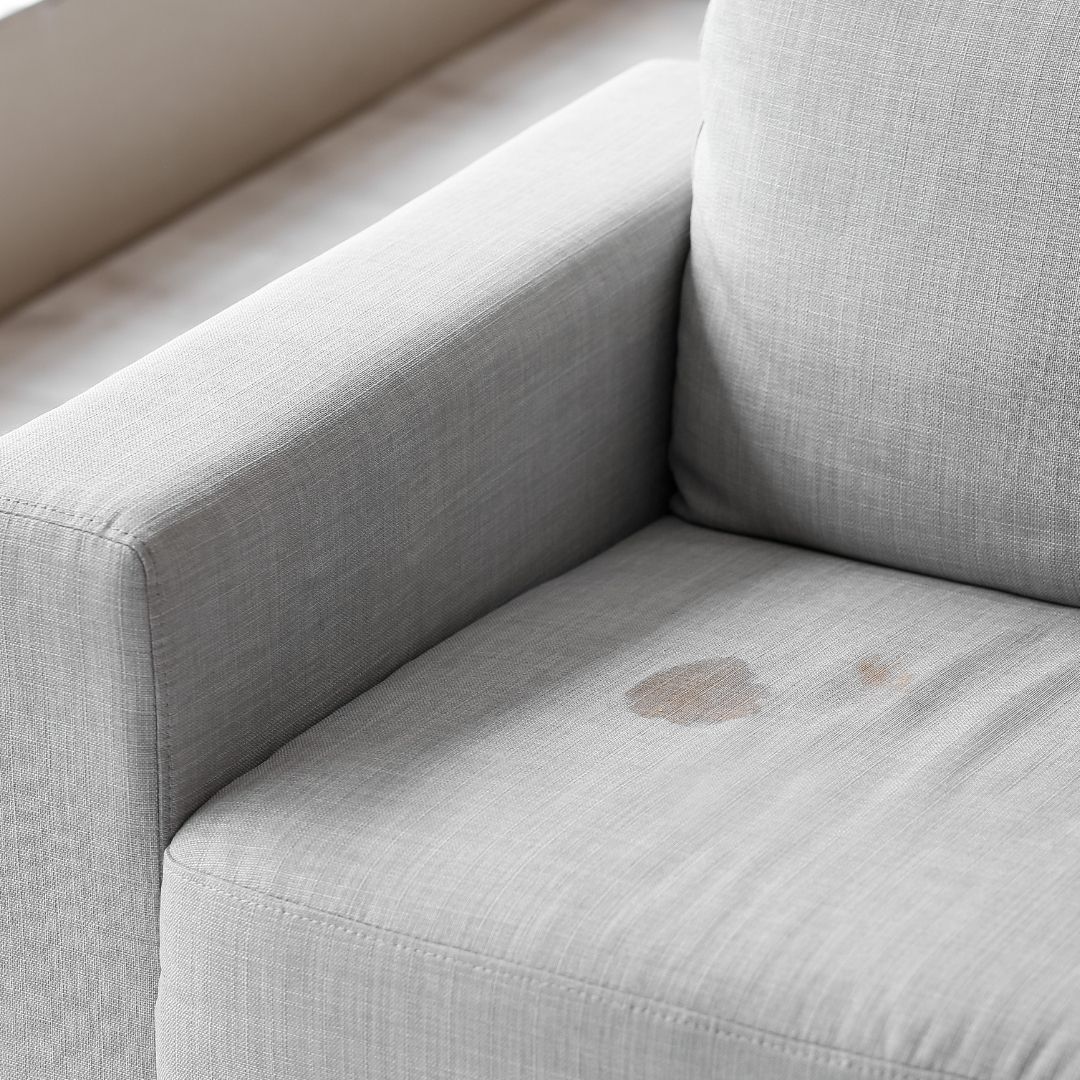
Most people reach for a damp cloth and a little detergent, then scrub the ring. That adds more water, which creates a new and larger edge. Detergent that is not fully rinsed out leaves a residue that attracts dirt, so the cleaned patch turns darker than the rest of the cushion. Hire machines put a lot of water into the couch and cannot control how fast the foam dries, which is how wicking and odour start.
Every extra attempt also removes options for the professional clean, because a stain that has been worked with the wrong product is harder to lift evenly. We cover the common mistakes in our post on why DIY spot cleaning often makes stains worse. If the mark is a ring rather than a fresh spill, booking a clean early gives the best chance of a good result.
How Wundaguard Removes a Water Stain From a Fabric Couch
Wundaguard has cleaned and protected upholstery across Sydney since 1983. The sofa clean follows the same seven steps we use on every fabric couch, matched to the fabric and the mark. Throughout the clean, the technician controls how much moisture goes in and how quickly the fabric dries, because even drying is what stops a new ring forming.
- Inspection of the fabric type, the cleaning code, the condition of the couch and the water stain itself.
- A pre-vacuum to remove dry soil and dust from the surface and crevices.
- Pre-spotting of the ring and any other marks.
- An even pre-spray of cleaning solution across the panel, so the whole area is treated rather than one spot.
- A deep clean by hot water extraction or by a dry, low-moisture method, chosen by the fabric.
- Spot treatment of anything that remains.
- Deodorising to leave the couch fresh.
Durable, colourfast fabrics usually suit hot water extraction. Delicate fabrics, natural fibres and couches that should not be over-wetted are cleaned with a dry or low-moisture method instead. The way we choose between the two is set out in should sofas be steam cleaned or dry cleaned. Sofa and couch cleaning starts from $55 per seat, and you can see the full service on our sofa cleaning Sydney page.
How to Stop Water Stains on a Couch Happening Again
Fabric protection gives you time. A protected fabric absorbs liquid more slowly, so a spill sits on the surface long enough to be blotted away before it soaks into the foam. That matters most on the water-sensitive fabrics that mark easily. Wundaguard applies fabric protection from $44 per seat, and it can be applied in the same visit straight after a sofa clean.
Protection still needs care alongside it. Warwick Fabrics notes that fabric protectors do not eliminate the need for vacuuming, routine cleaning or proper care. Blotting a spill quickly, keeping wet towels and swimmers off the cushions, and having the couch cleaned regularly all reduce the chance of the next water stain.
Frequently Asked Questions
Will a water stain on a couch go away on its own?
The ring is made of soil, residue or dye that the water moved to the edge of the wet patch, and that material stays in the fibre until it is cleaned out evenly. Leaving the ring alone is still better than scrubbing it with more water.
Are water stains on a fabric couch permanent?
Many water stains on a fabric couch can be significantly improved or removed, especially when treated early. Marks are more likely to stay when the water has moved dye, when timber tannins have bled up from the frame, or when the fibre has been damaged by repeated home attempts.
Why did a water stain appear after I cleaned my couch?
A mark that appears after cleaning is usually wicking. Too much water went into the foam, and as it dried it carried dissolved soil back up to the surface. It is a sign of over-wetting rather than a stain that failed to come out.
Can you get a water stain out of a velvet or linen couch?
Velvet and linen need a low-moisture method and careful drying, because both mark easily with water. On velvet the pile also needs grooming as it dries so it does not set crushed. On velvet, a professional low-moisture re-clean and controlled drying can often even out a water ring, but it is not guaranteed once the ring has set.
How much does it cost to have a water stain cleaned off a couch?
Wundaguard prices sofa and couch cleaning per seat, starting from $55 per seat. The final price depends on the size of the couch, the fabric and its condition. Fabric protection can be added after the clean from $44 per seat. Call 1300 360 824 for a quote on your couch.
Book a Sofa Clean for a Water Stain in Sydney
If there is a water stain on your couch, blot it dry, check the cleaning code and leave the ring alone until the fabric has been looked at. Wundaguard cleans fabric couches across Sydney, from Smeaton Grange and the Macarthur region to the inner suburbs. Tell us what the fabric is, what was spilt and what has been tried so far, and we will explain the cleaning method we recommend for your couch. Call 1300 360 824 or contact Wundaguard to book.
Our Services
Get A Free Quote
Contact us today for a free, no-obligation quote on your fabric and leather protection needs.