
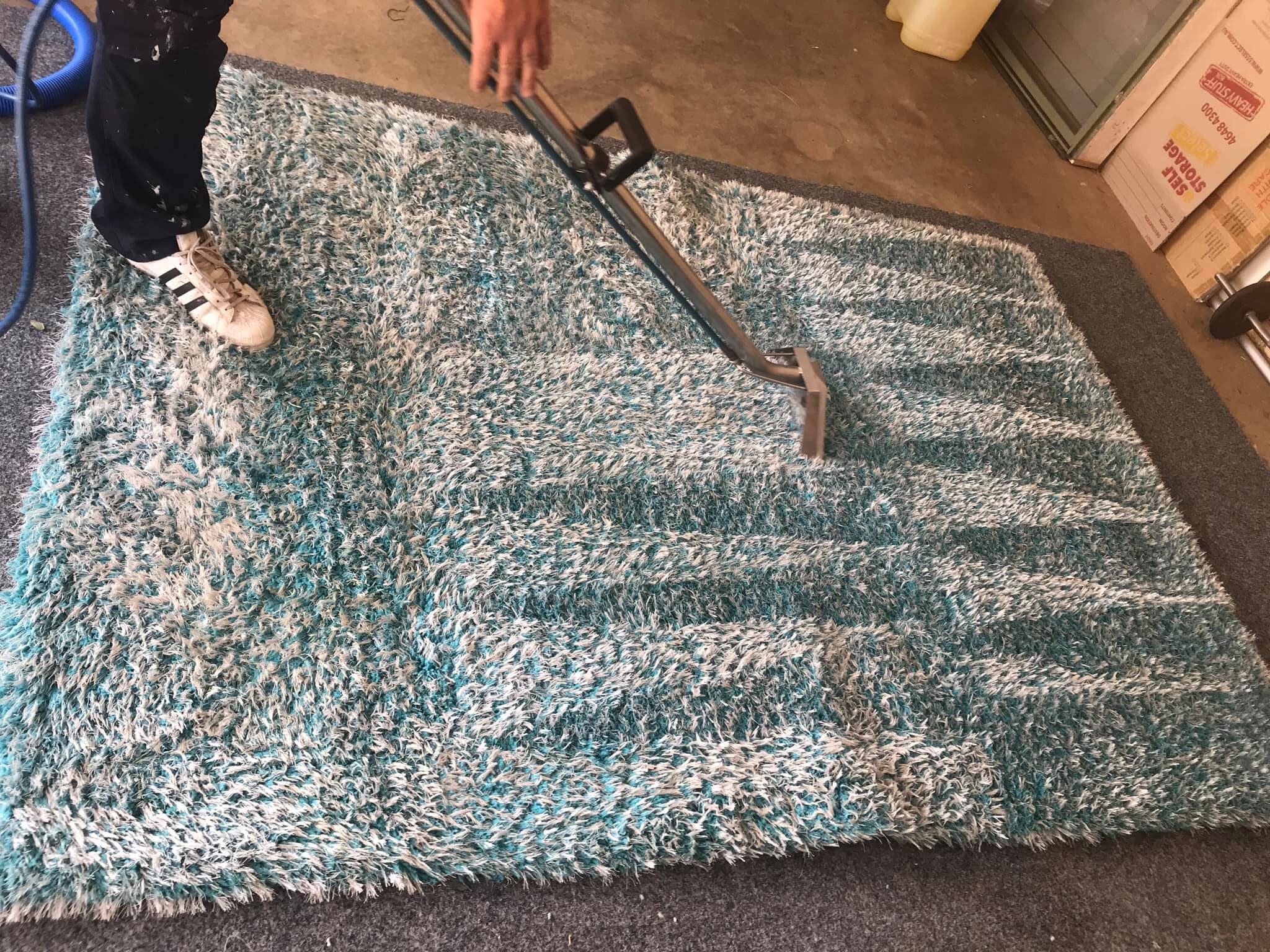
Most people assume rug cleaning is straightforward, you bring in a cleaner, they clean the rug, done. The reality is more nuanced than that, and getting it wrong can permanently damage a piece that may be difficult or impossible to replace.
The fibre a rug is made from determines how it should be cleaned. Applying the wrong method, even with professional grade equipment, can cause shrinkage, colour bleed, fibre distortion, or irreversible texture damage. This is why a proper assessment comes before any cleaning begins.
At Wundaguard, every rug is assessed onsite before we select a cleaning method. Here’s what that involves, why it matters, and what the process looks like.
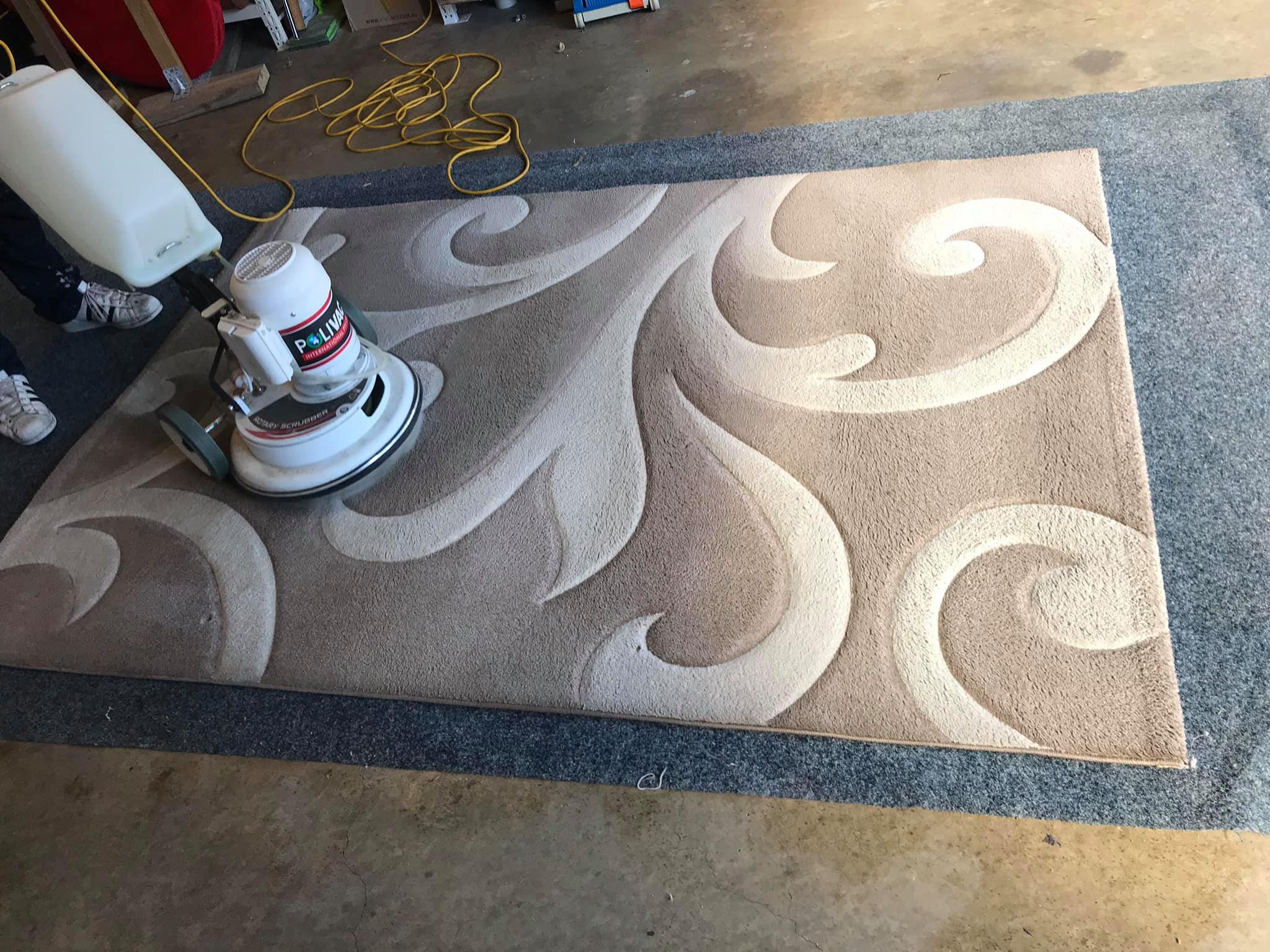
WHY ONE METHOD DOESN’T WORK FOR EVERY RUG
Area rugs are made from a wide range of fibres, natural, synthetic, and blended, and each behaves differently when exposed to water, heat, or cleaning solutions.
Wool is highly absorbent and can felt or shrink if subjected to excess heat or aggressive wet cleaning. Silk is delicate and prone to water staining. Synthetic fibres like polypropylene handle moisture well and respond reliably to hot water extraction. Cotton can handle water but may shrink if over-wetted or dried incorrectly. Natural fibre rugs such as jute, sisal, and seagrass are particularly sensitive to moisture and often require low-moisture or dry cleaning methods entirely.
A cleaner who applies the same process to every rug regardless of construction is taking a risk with your property. The right method depends on what the rug is made of.
COMMON RUG FIBRES AND WHAT THEY NEED
- Wool: one of the most common fibres in quality area rugs, including many Afghan, Persian, and Turkish styles. It is durable but sensitive to heat and aggressive cleaning agents. Hot water extraction can be used on wool rugs, but temperature and moisture levels must be carefully controlled. In some cases, dry cleaning is the safer option.
- Silk: requires careful handling. Moisture can cause the fibres to distort or water mark, and harsh cleaning agents can strip the natural lustre. Dry cleaning methods are typically preferred for silk and silk blend rugs.
- Synthetic fibres (polypropylene, nylon, polyester): machine made rugs with synthetic fibres are generally the most forgiving. They tolerate moisture well, respond effectively to hot water extraction, and dry reliably. These are often the most straightforward rugs to clean.
- Cotton: handles water based cleaning but needs careful moisture management. Over wetting can cause shrinkage or distortion in the backing. Hot water extraction works well when applied correctly.
- Natural fibres (jute, sisal, seagrass): highly sensitive to water. Wet cleaning can cause the fibres to swell, discolour, or deteriorate. Low moisture or dry cleaning methods are strongly preferred, and in some cases the safest recommendation is specialist spot treatment only.
- Antique and hand knotted rugs: require particular care. Dyes used in antique rugs can bleed, foundations may be fragile, and construction methods vary significantly. These rugs benefit most from an experienced assessment before any cleaning method is applied.
HOT WATER EXTRACTION, WHAT IT IS AND WHEN IT’S USED
Hot water extraction, sometimes called steam cleaning, involves injecting a heated water and cleaning solution into the rug pile under pressure, then extracting it along with loosened dirt, allergens, and debris using powerful suction.
It is one of the most effective methods for deep cleaning area rugs. It reaches into the fibre structure rather than just treating the surface, and it is well suited to removing embedded dirt, body oils, pet dander, and odours.
Hot water extraction is appropriate for synthetic rugs, cotton rugs, and many wool rugs where moisture and temperature can be properly controlled. On the right material, it delivers a thorough clean that restores the appearance and hygiene of the rug significantly.
It is not appropriate for silk, most natural fibre rugs, or antique pieces where moisture poses a genuine risk to the fibres or dyes.
DRY CLEANING, WHAT IT IS AND WHEN IT’S USED
Dry cleaning for rugs uses low moisture methods, typically solvent based solutions or dry cleaning compounds, that clean without saturating the fibres with water.
This is the correct method for moisture sensitive materials: silk, jute, sisal, seagrass, and certain delicate wool or antique rugs where water based cleaning would cause more harm than good.
Dry cleaning still removes dirt, staining, and surface soiling effectively. It just does so without the risk that comes with introducing significant moisture to a sensitive material.
Choosing dry cleaning where it is needed is not a compromise. It is the appropriate method for the material, and applying it correctly protects the rug while still delivering a clean result.
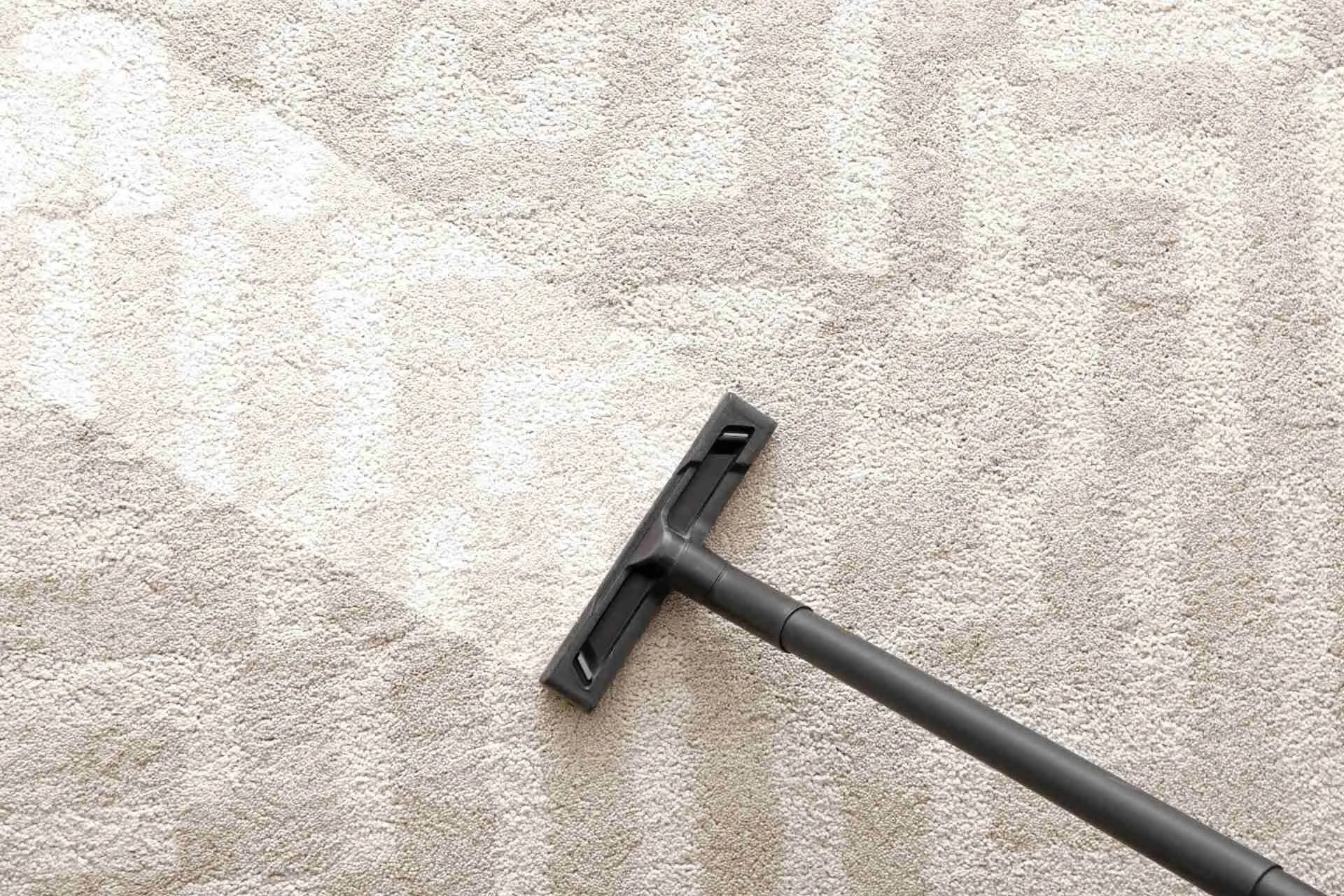
STAIN PROTECTION TREATMENT
After cleaning, Wundaguard can apply a professional rug stain protection treatment to your rug.
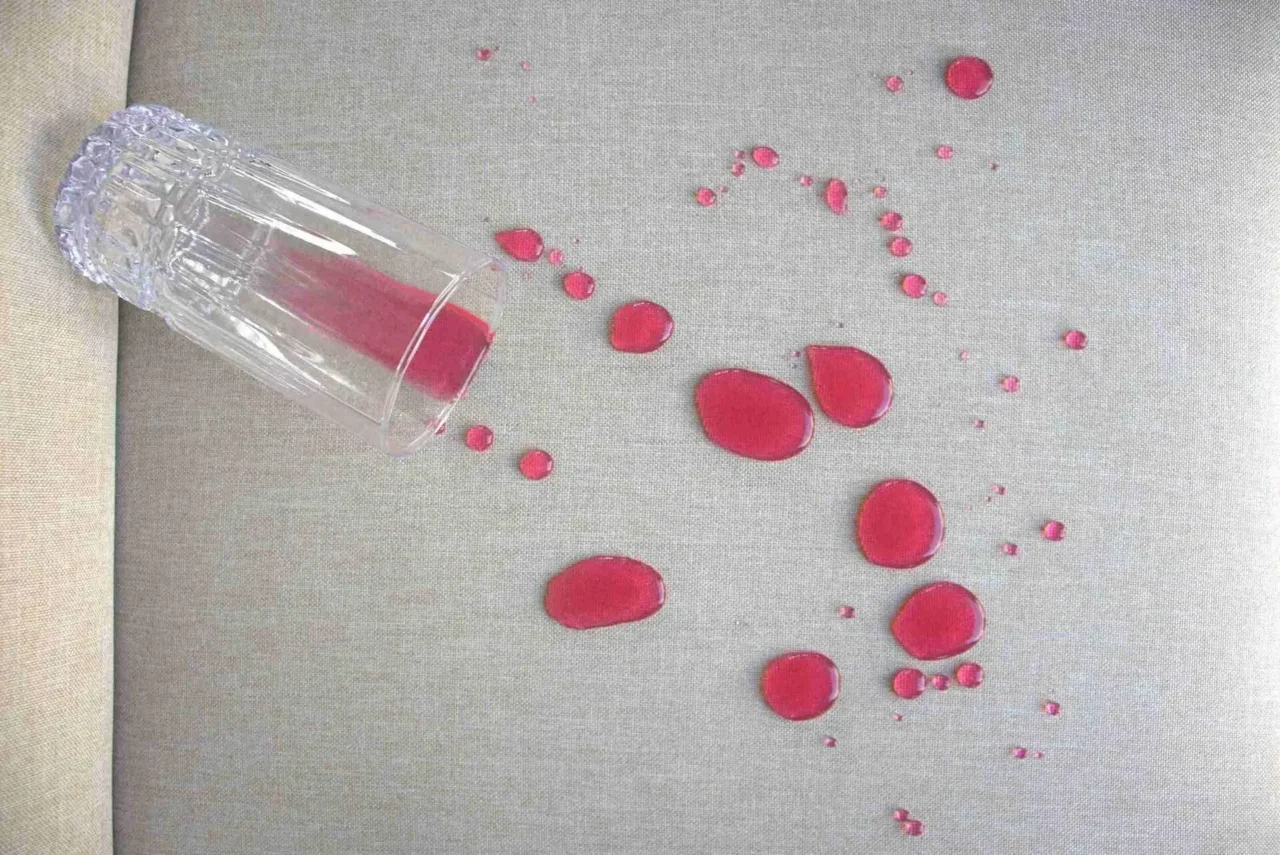
This creates an invisible barrier across the fibres that repels liquid spills and makes surface soiling easier to remove before it has a chance to penetrate and set. It does not change the look or feel of the rug. It simply makes it easier to maintain between professional cleans.
Stain protection is particularly worthwhile on rugs in high traffic areas, homes with children or pets, or on pieces that would be costly to replace. It extends the interval between professional cleans and helps preserve the rug’s appearance over time.
WHAT THE ONSITE ASSESSMENT COVERS
Before any cleaning begins, a Wundaguard technician will assess the following.
Fibre type and rug construction. Condition of the pile, backing, and any fringes. Type and extent of soiling including surface dirt, embedded grime, stains, and odours. Presence of any damage, wear, or colour instability. A small test patch in an inconspicuous area to confirm the fabric’s response.
Only once that assessment is complete is a cleaning method selected. If your rug needs dry cleaning, that is what we use. If hot water extraction is appropriate and will deliver a better result, that is what we recommend. The method follows the rug, not the other way around.
WHY GETTING IT WRONG IS COSTLY
A rug that shrinks, bleeds, or distorts during cleaning can rarely be restored to its original condition. For machine made synthetic rugs the financial risk is lower, but for quality wool rugs, hand knotted pieces, or antique rugs, the consequences of the wrong cleaning method can be significant.
This is the practical reason an assessment matters, not as a formality, but as the step that ensures the cleaning method is actually suited to the piece being cleaned.
WHAT DOES PROFESSIONAL RUG CLEANING COST?
Professional area rug cleaning with Wundaguard starts from $99, with pricing based on rug size, fibre type, and condition. Stain protection treatment is available as an add on.
For a specific quote, contact us directly. We service South West Sydney and surrounding areas including Campbelltown, Camden, Liverpool, Narellan, Minto, Oran Park, and surrounding suburbs.
FREQUENTLY ASKED QUESTIONS
How do I know what fibre my rug is made from?
Check the care label if one is attached. It will usually list the fibre content. If there is no label, a professional technician can assess the fibre type during an onsite inspection.
Can you clean antique or oriental rugs?
Yes. Antique, Afghan, Persian, and hand knotted rugs require careful handling due to delicate dyes, aged foundations, and variable construction. Wundaguard assesses each piece individually before selecting the appropriate cleaning method. These rugs are never cleaned using a standard one size fits all approach.
How long does a rug take to dry after cleaning?
Drying time depends on the fibre, the cleaning method used, and ventilation. Rugs cleaned with hot water extraction typically dry within 4 to 8 hours in a well ventilated space. Dry cleaned rugs have minimal drying time. We will advise on drying conditions after the clean.
Is stain protection worth applying to a rug?
For most rugs, particularly those in high traffic areas or homes with children or pets, yes. The treatment creates a barrier that repels spills and makes routine maintenance easier, extending the time between professional cleans. It has no visible effect on the rug’s appearance or texture.
Can you clean rugs with pet stains or odours?
Yes. Pet urine and odours require specific treatment to break down the compounds responsible for the smell, not just surface cleaning. We will assess the extent of the soiling during the onsite inspection and recommend the appropriate treatment.
How often should an area rug be professionally cleaned?
For most households, once every 12 to 18 months is a reasonable interval. Rugs in high traffic areas or homes with pets may benefit from more frequent cleaning. Stain protection treatment applied after cleaning helps extend the interval between professional cleans.

Our Services
Get A Free Quote
Contact us today for a free, no-obligation quote on your fabric and leather protection needs.