
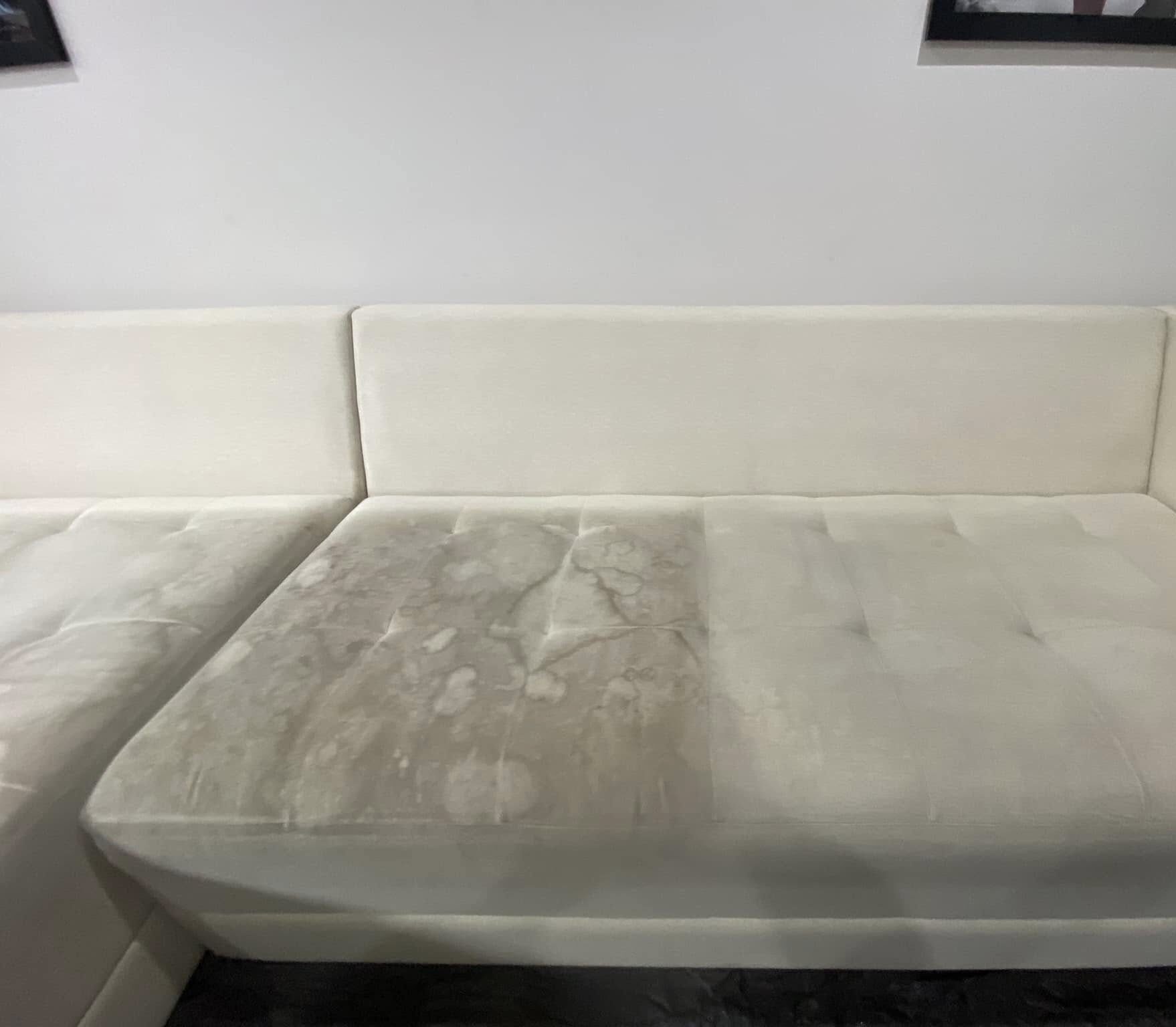
Should Sofas Be Steam Cleaned Or Dry Cleaned?
Steam cleaning is often seen as the gold standard for sofa cleaning, and in many cases, it still is. But what most people don’t realise is that steam cleaning isn’t always the best option for every sofa, on every day.
At Wundaguard, we’ve spent more than 40 years cleaning sofas and lounges across Sydney, Wollongong, and the Southern Highlands. One of the biggest mistakes we see isn’t poor cleaning, it’s ignoring drying conditions.

Steam Cleaning vs Dry Cleaning: It’s Not One-Size-Fits-All
Steam cleaning (also known as hot water extraction) uses moisture to lift and remove dirt from deep within fabric fibres. When used correctly, and under the right conditions, it can deliver excellent results.
However, not all fabrics, homes, or weather conditions are suitable for steam cleaning. Read why we NEVER use steam cleaning for mattresses
Professional furniture cleaning should always involve an assessment before any cleaning is started or a machine switched on.
Why Drying Time Is Just as Important as Cleaning
The biggest risk with steam cleaning isn’t the cleaning itself, it’s what happens after.
If a sofa takes too long to dry, it can lead to:
- damp or musty odours
- mould or mildew growth inside the cushions
- moisture trapped in internal padding
- fabric distortion or stiffness
- increased risk of bacteria growth
This risk increases significantly when:
- humidity is high
- temperatures are low
- airflow is poor
- the sofa is placed against walls or in tight spaces
- windows can’t be opened
- homes rely heavily on heating rather than ventilation

Why Weather Conditions Matter for Sofa Cleaning
Professional cleaners must consider the conditions on the day, not just the fabric.
High humidity or cold weather can slow evaporation dramatically. In these situations, steam cleaning can leave furniture damp for far longer than recommended, sometimes 24 hours or more.
At Wundaguard, if drying conditions aren’t ideal, we may recommend dry or low-moisture sofa cleaning instead. This allows your sofa to be cleaned safely without risking long-term issues.
The goal isn’t just a clean sofa, it’s a safe, fully dry, healthy result triggering no secondary problems.
How Wundaguard Chooses the Right Cleaning Method
Every sofa is assessed individually. We consider:
- fabric type
- colourfastness
- construction and padding
- level of soiling
- location in the home
- ventilation
- temperature and humidity
Based on this, we select either:
- Steam Cleaning: for suitable fabrics and favourable drying conditions
- Dry / Low-Moisture Cleaning: for delicate fabrics, humid days, or limited airflow
This flexible approach is why furniture retailers trust Wundaguard with brand-new lounges and high-value pieces.
Why This Matters for Your Furniture Investment
Sofas are expensive. Incorrect cleaning or poor drying can shorten their lifespan significantly.
Choosing a provider who understands fabric science, environmental conditions, and long-term care makes a measurable difference to how long your furniture lasts — and how it looks over time.
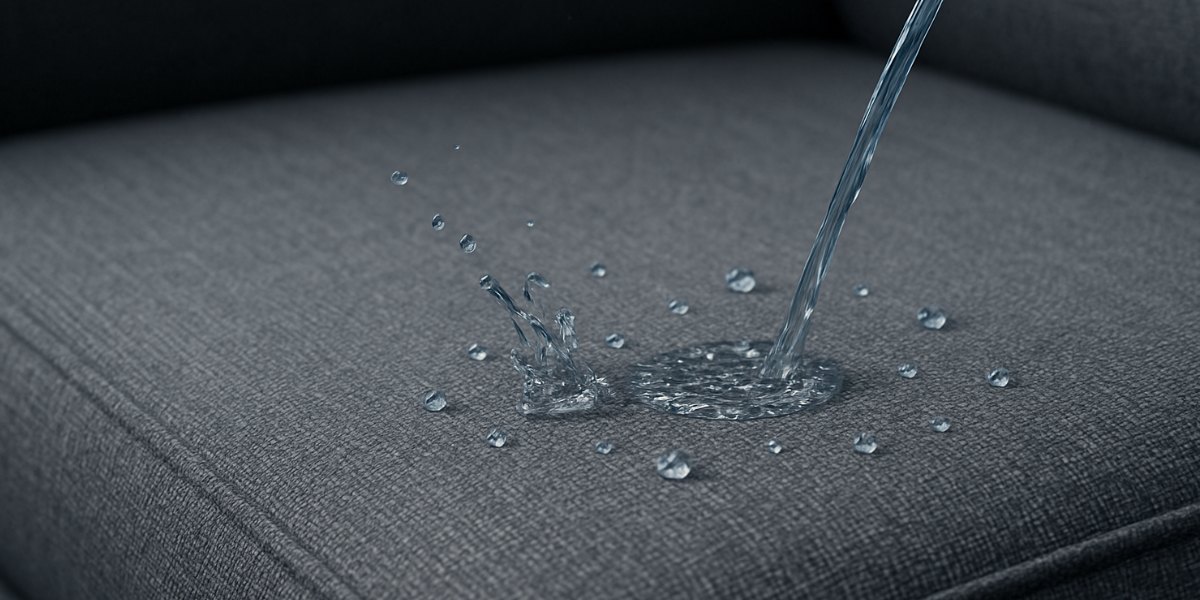
Fabric Protection: The Smart Follow-Up After Cleaning
Once your sofa is properly cleaned and fully dry, fabric protection is the ideal next step.
Fabric protection:
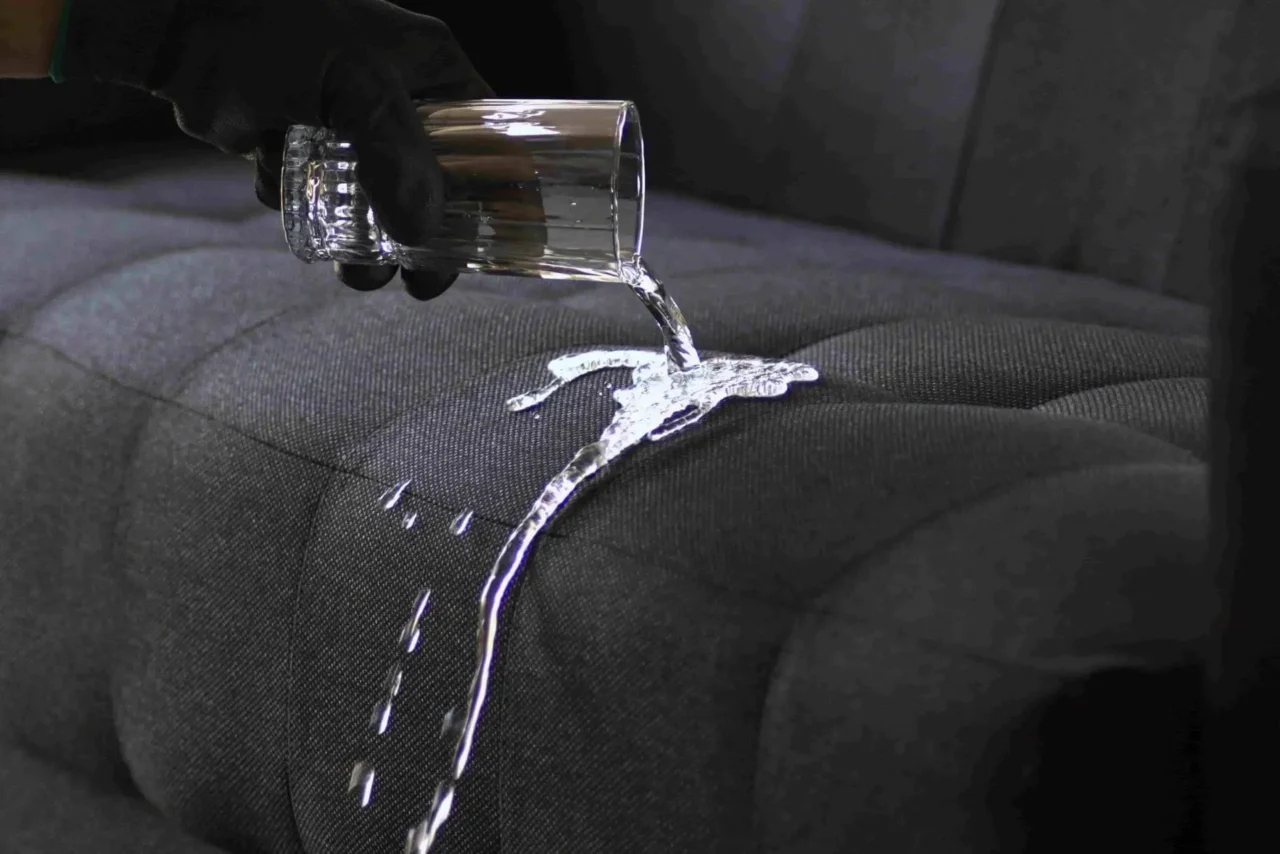
- helps repel spills and stains
- reduces moisture absorption
- shortens drying time after future accidents
- makes routine maintenance easier
- includes UV resistance to reduce fading
- helps limit odour-causing bacteria
This is especially valuable in homes with children, pets, or high-use seating.
The Takeaway: Good Sofa Cleaning Is About Judgment, Not Just Equipment
Anyone can start a furniture steam cleaning business and say they can clean your couch – But after 40 years of cleaning furniture, we know what method to use when cleaning your furniture.
At Wundaguard, we don’t force steam cleaning where it isn’t appropriate. We choose the method that protects your sofa, suits the conditions, and delivers the best long-term outcome.
Get in touch with Wundaguard to book professional sofa cleaning or to discuss the best cleaning method for your furniture.
FAQS For Couch Steam Cleaning
Is steam cleaning safe for all sofas?
No. While steam cleaning can be effective for some durable, colourfast fabrics, not all sofas are suitable. Delicate or natural fibres may require dry or low-moisture cleaning to prevent damage, shrinkage, or over-wetting.
Why does drying time matter after sofa steam cleaning?
If a sofa takes too long to dry, moisture can remain trapped in the padding. This may lead to damp odours, mould growth, or bacterial build-up, which can affect both the fabric and indoor air quality.
Does weather affect sofa steam cleaning results?
Yes. High humidity, cold temperatures, and poor ventilation can slow drying times significantly. Professional cleaners should consider weather conditions before choosing steam cleaning to avoid leaving furniture damp.
When is dry sofa cleaning a better option?
Dry or low-moisture cleaning is often recommended when drying conditions are poor, ventilation is limited, or the sofa fabric is delicate. It allows effective cleaning without saturating the upholstery.
How do professionals decide between steam and dry cleaning?
A professional assessment considers fabric type, colourfastness, level of soiling, ventilation, temperature, and humidity. The safest and most effective method is chosen based on these factors, not convenience.
Should fabric protection be applied after sofa cleaning?
Yes. Fabric protection helps repel spills, reduce moisture absorption, and make future cleaning easier. It also helps extend the life of your sofa by protecting fibres from stains, wear, and UV fading.

Our Services
Get A Free Quote
Contact us today for a free, no-obligation quote on your fabric and leather protection needs.